Maybe I’ll do some more testing, but as far as noticeable artifacts go, it looks better than Chronos. I only have tried live action or CG videos on it.
It is not difficult to find these problems by choosing some simple and clear CG scenes, especially when you perform upscale, it is easier to find the distortion caused by the loss of image quality.
Hi there.
Please excuse my ignorance but what is the RIFE model? And not that it is your problem but I don’t even have the Apollo option come up in 3.1.1 on my system. (Or RIFE for that matter…)
Is there any way to download the models to my local drive in 3.1.1? I don’t see any options. My apologies if this is obvious or answered somewhere else.
Thanks
How can I:
- select a different output bitrate?
- select a different output container (MP4 instad of MOV)?
- select a different encoder (H.264 AVC with LAV AAC)?
Rife is not the work of topaz, you can go to Github to find open source tools, but the actual effect is not much different from Chronos
Hi, In GPU mode, when I choose option 8k + 120 FPS, I always get this error notice: Last FFmpeg messages: Unable to parse option value “0” as video rate Unable to parse option value “0” as video rate
In CPU mode, I cannot download any models. Please help ! Thanks in advance.
I use GTX 980 and Core i7
No they are exact as in input. Combed fields.
What are the properties of the video source input ?
I’m new to this. Can anyone explain while after upscaling the picture is smaller?
Thanks for reply. My video is mp4, 30 FPS
Please help
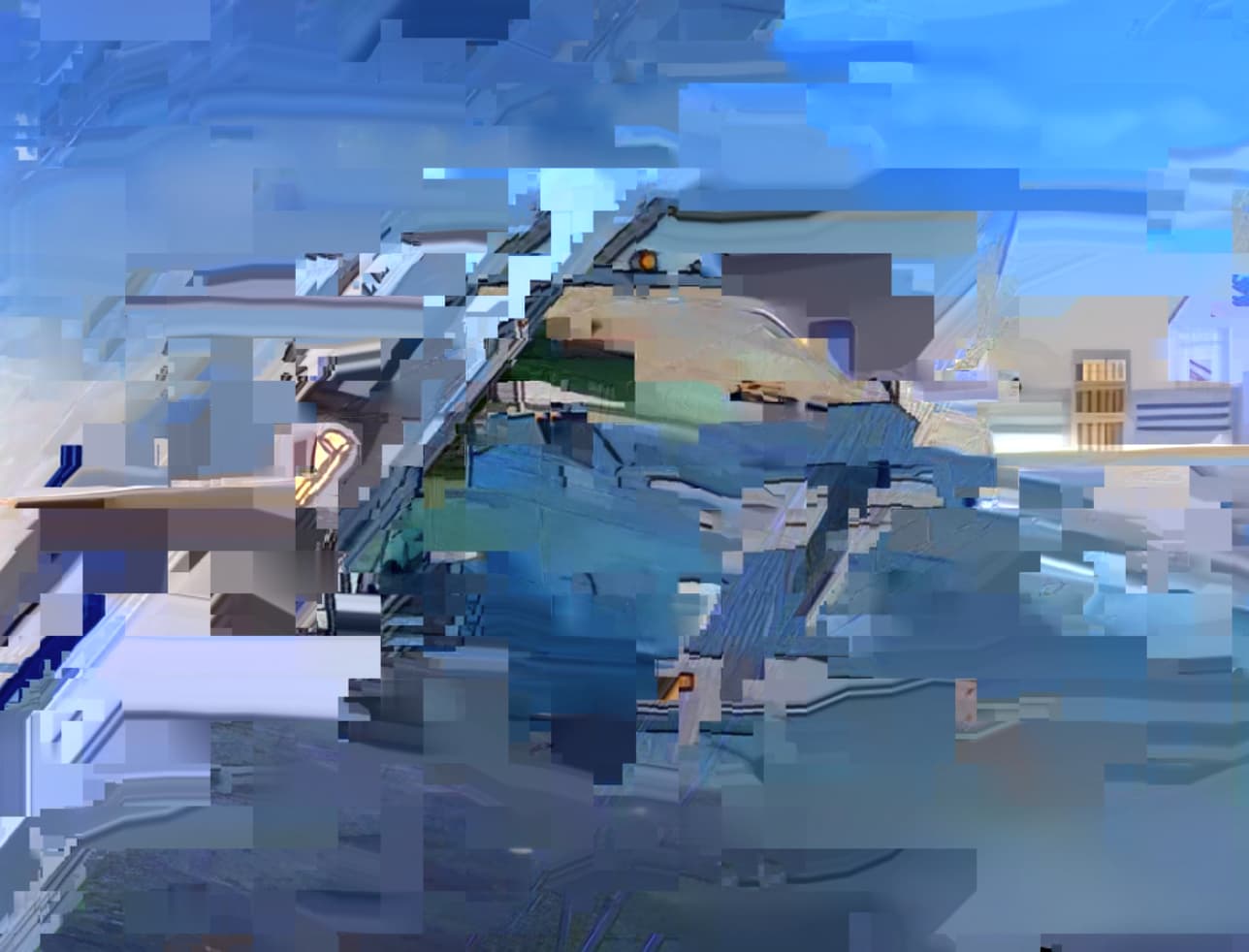
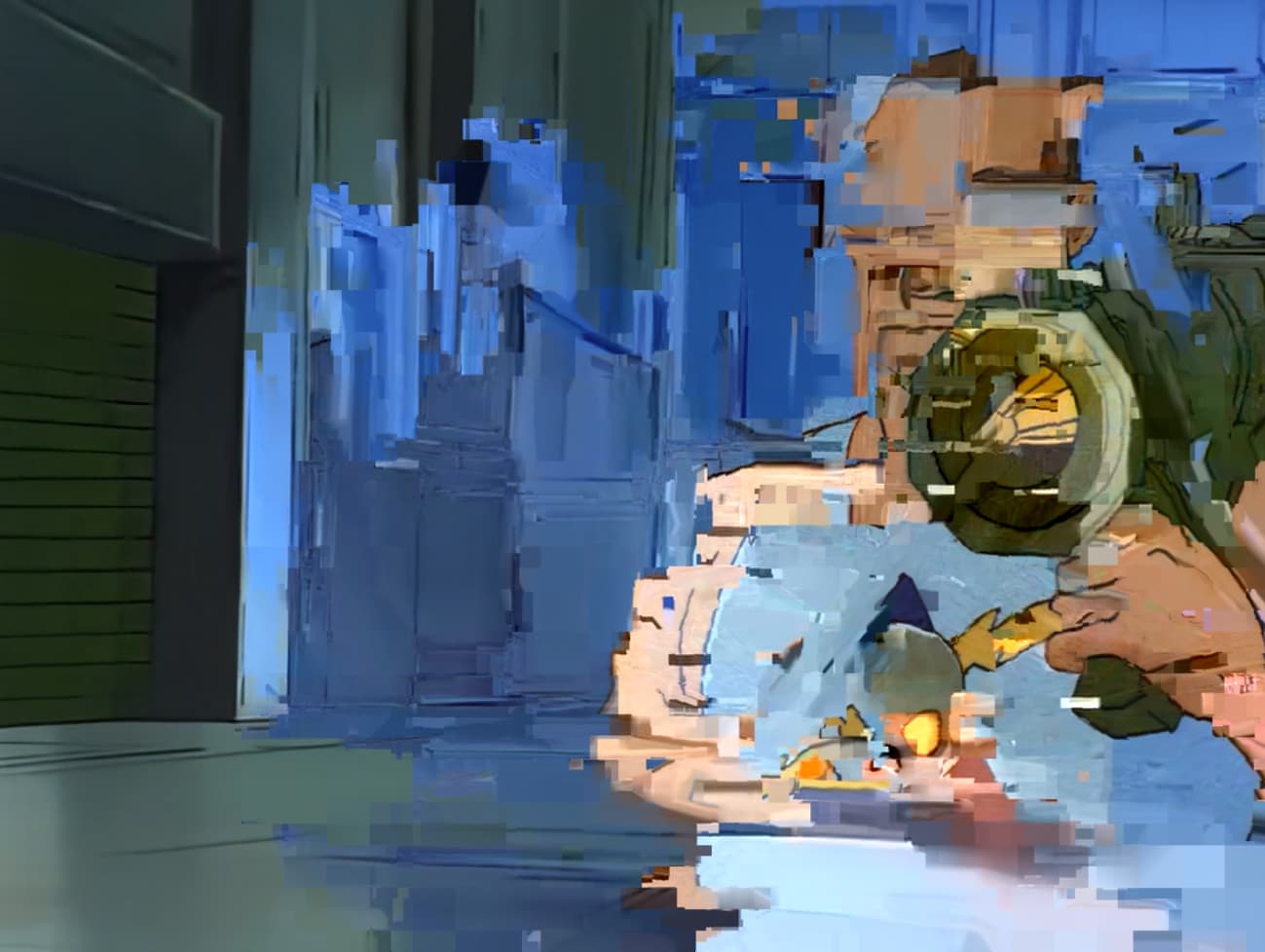
New version adds a very strange artifacts when using h264/h265.
as an example, add a video and select the (for example) the artimis low quality model then process the video.
when playing back the video in VLC, try to skip (using arrow keys) forward or backward. you will notice strange artifacts and big chunks of pixel block that may or not disappear as VLC plays the video.
I never had this issue before, but it seems like the output is corrupted in some form.
I tried the same input video on VEAI 2.6.4 and the output is perfect.
see examples below:

I was more after what codec is the input file is and video dimensions.
I’m asking because the hardware you have is very old and I think it can’t cope with such a high resolution and fps.
Even my system struggles to do 1080 > 4320 (5950X, RTX 3070)
8 mins to convert just 5 seconds.
Codec: H264 - MPEG-4 AVC (part 10) (avc1)
Video resolution: 640x480
Frame rate: 23.976024
Color primaries: ITU-R BT.601 (525 lines, 60 Hz)
Color transfer function: ITU-R BT.709
Color space: ITU-R BT.601 Range
Chroma location: Left
My response was not to you.
But is that the original file specs ?
If so for some reason it looks like it’s been rencoded and colour mapped to rec709
1 Like
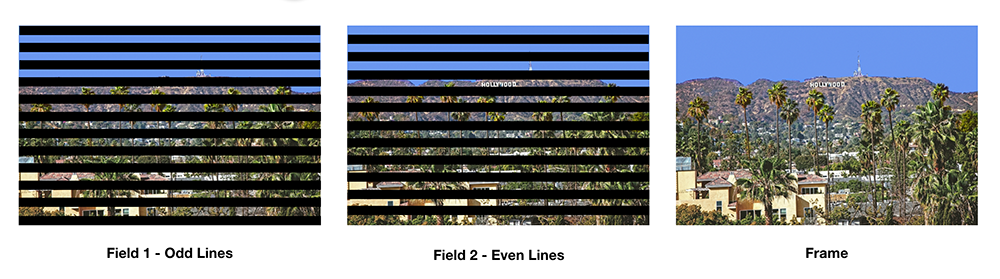
Like this example, or this example?
The second example is what it looks like when a movie is converted to progressive without deinterlacing. At that point, it’s pretty hard to undo.
The long drawn out point I’m trying to get at is: I don’t think it’s possible to convert interlaced movies into PNG AND have TVAI read them as interlaced. They should either be super squashed, or have transparent horizontal lines, but that just depends on how your picture viewer chooses to display them. But PNG has no ability to keep the interlacing information for anything to deinterlace it.
Maybe that’s what the interlaced progressive models are made to handle. Dione Robust and Dione Robust Dehalo. I haven’t had a video that needed those yet to have tried them.
But I use CPU, not GPU to generate. So old card is not problem, right ?
The models are used for both GPU case and CPU cast, or seperate models for CPU and seperate models for GPU ?
Definitely. I support that request as well.
Man… getting even better the more I use 3.1.1!
I am currently doing Aliens Special Edition upscaling to 4k and 50fps + proteus and I am getting a solid 4.5-5fps!
Keep in mind when I do mine I always strip out the audio tracks first ffmpeg -i vidya.mkv -c copy -an name.mp4 and then later put them back together with audio ffmpeg -i newvidya -i vidyawaudio -c copy -map 0:v -map 1:a -shortest vidya.mp4 and that has been working lovely for me thus far. I am using h265 main10 on auto with mp4 containers, as I find plex/jellyfin by FAR prefer mp4 for direct play. I strip the subs out with ffmpeg -i vidya -map 0:s:0 vidyasubs.srt
Just figured I would give my current process for anyone else with a 3000 series gpu to try.
1 Like

.jpg)