Imo, I love it.
This was done with my micro four thirds Olympus E-P5, and the Lumix 20mm lens.

f/2.8, 1/160 sec, ISO 200
Imo, I love it.
This was done with my micro four thirds Olympus E-P5, and the Lumix 20mm lens.
Image Credits: yarina.tattooing
Just to note:
Such a tattoo is a very privacy-relevant motif, why, because it is so unique and makes the person identifiable.
If you watch the video actively, it seems to take forever, but I can’t do it manually in two minutes.
I’ve a Logitech Gaming mouse (G502)
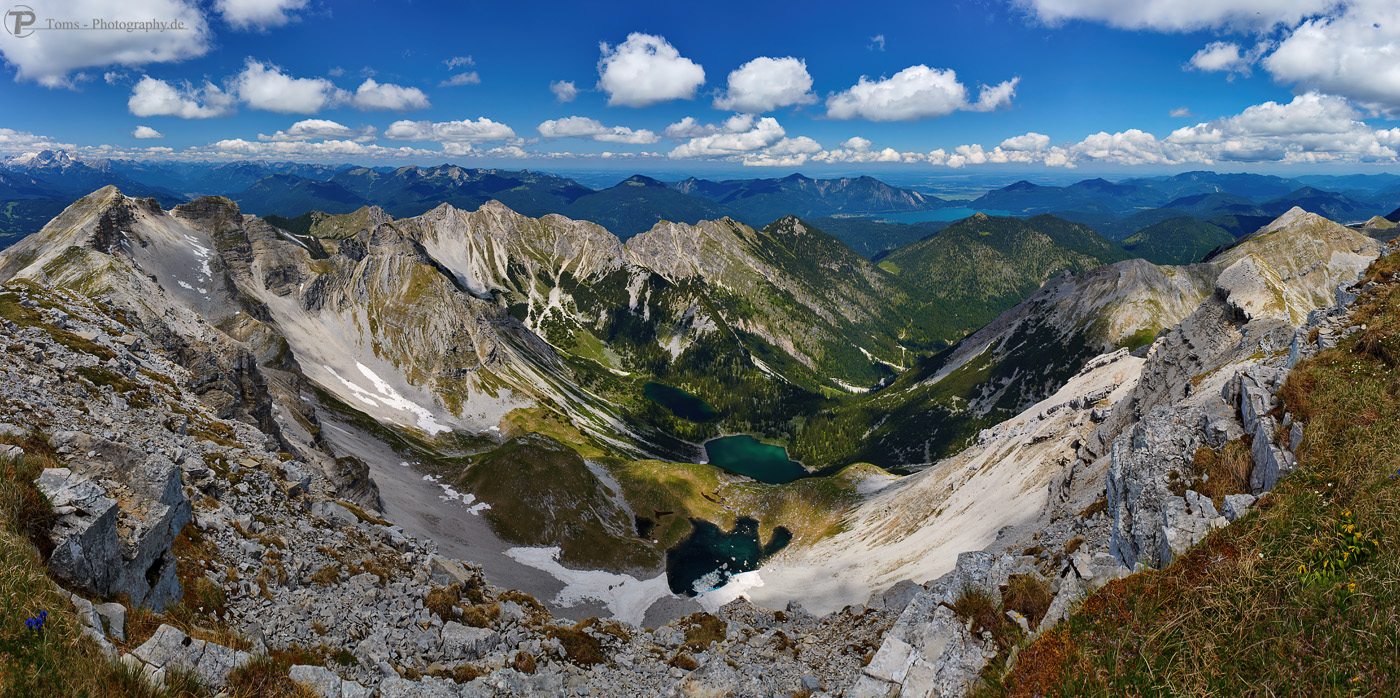
Canon 24 mm T/S (shift down), 4 or 3 images horizontal pano.
I need to recreate it with the next enhance update, the resolution will be much better.
That is not the effect I was talking about. I’m talking shallow depth of field and everything looks like toytown.
ah ok, thats different.
I really like TS lenses and I didn’t understand why Fujifilm didn’t have one for their medium format until now,
Focus: VIDEO: How to create the tilt-shift toy town look for your photos.
It is not something I’m keen on.
That’s not my point.
It’s about perspective correction, people prefer to flatten the landscape before they think about how to keep high mountains, for example.
For example, you can set up a camera with a wide angle vertically and then make a panorama, the important thing is that the camera is straight on each axis.
With TS lenses you simply shift.
Another video.
@bin.sun
I would wish that the resolution of the impainting would be higher, so that the result becomes finer and less noticeable.
The nice thing about the result is that you have virtually no rework, besides the little resolution.
Couldn’t the software split the tiles itself for good quality instead of giving the message that the mask is getting too big?

I think it may be the keep area that made the main difference. I had no good luck selecting large areas and thus erased all those small lines.
Might try again with keep
i think so too.
Once you understand how the software works, you can predict the results.
Do you have some kind of recommendations when to use keep area and when to use erase?
Same goes for padding and even more so for the quality slider where quality very often is NOT better than speed.
Currently I find the results highly unpredictable which is my main concern atm.
Remove if you want it gone.
Keep if you want something to stay. (skin)
Remove doesn’t really remove anything at the moment, the problem is that it doesn’t know what should go there, I would say the immediate surroundings.
I’m still retouching hair and I can get rid of it better with remove, but the model wants to put hair back in that place, which is nice but not wanted in that place (replaced with the surroundings, yea right but wrong).
The larger the padding, the more the model in the picture looks at what could fit in the spot, “normal” usually fits.
The lower the quality, the better it fits in with the rest of the picture.
The image with the hair is a bit noisy, so lower quality (30%, for example) is better here, for natural images that have little to no noise because they are denoised, higher quality is better (70%), for example.
I simply move the quality slider roughly in the direction where I think it fits, without thinking too much.
A.h. padding influences the result of erase very strongly, my hair result is better when I set padding to none.
If I draw the mask too roughly, the result is usually not so good, if I draw it more finely, it is better if I pay more attention to the details.
Which brings me back to the assumption that it is a tool and not a miracle tool, a tool with a good result.
There’s nothing to upgrade in them… You must have the foresight to buy as much as you’re gonna need from the beginning… everything else just plugs into them…
This is what I wanted to say.
Of course you can up the specs with the Apple Silicon at the time you buy them.
But this isn’t upgrading to my understanding and there’s no possibility (except for HD space with slightly ugly workarounds) to upgrade any component afterwards.
What exactly do you want to upgrade? You might be able to find somebody to swap/solder a hard drive, but it’s easier by simply plugging in a new SSD drive into the Thunderbolt chain and making it the primary boot drive… You’re certainly not going to change any of the video graphics card’s integration… Just buy as much RAM as you can from the gitgo… My apple boxes have been lasting me an average of 8+ years in production with little or no maintenance or performance issues… They get made obsolete by Apple’s IOS marketing/production schedules before any real world needs…
Well I did say that upgrading newer Macs is just impossible, so you seem to have misunderstood me?
(And the harddrive plugged into the thunderbolt is what I meant with the „slightly ugly“ solution in my previous post - no need to make it bootable though in most cases)
I understood… my question was more rhetorical than anything…
My 16GB RTX 4080 experience on 4x autopilot, upscaling already large images then doing a remove on fairly larger chunks of it (within Topaz recommendations) is a maximum GPU memory utilization of 5GB and on the upscaling part, less than that. I don’t understand why Topaz therefore want 8GB GPUs.
On GPU load, I get spikes of up to 100% so clearly, it’s using it for something but who knows what? Processing times for most autopilot operations are n o more than 5 seconds or so per image.
Does anyone know, can you do batch processing in TPAI? If so, I could test that too.
