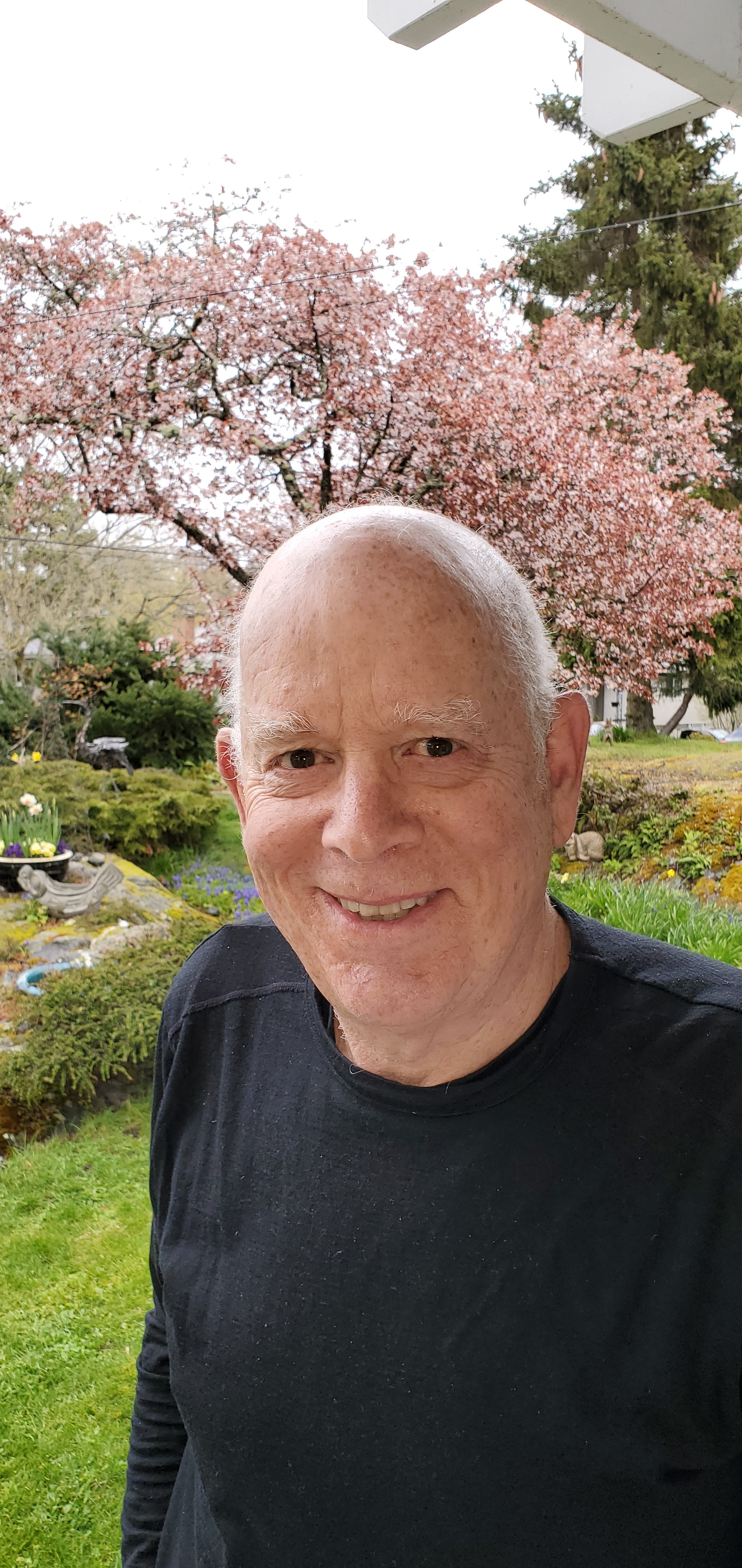
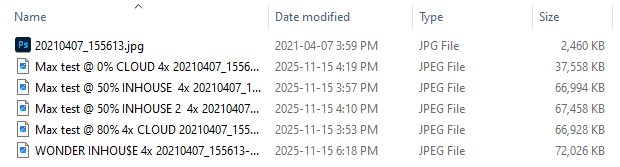
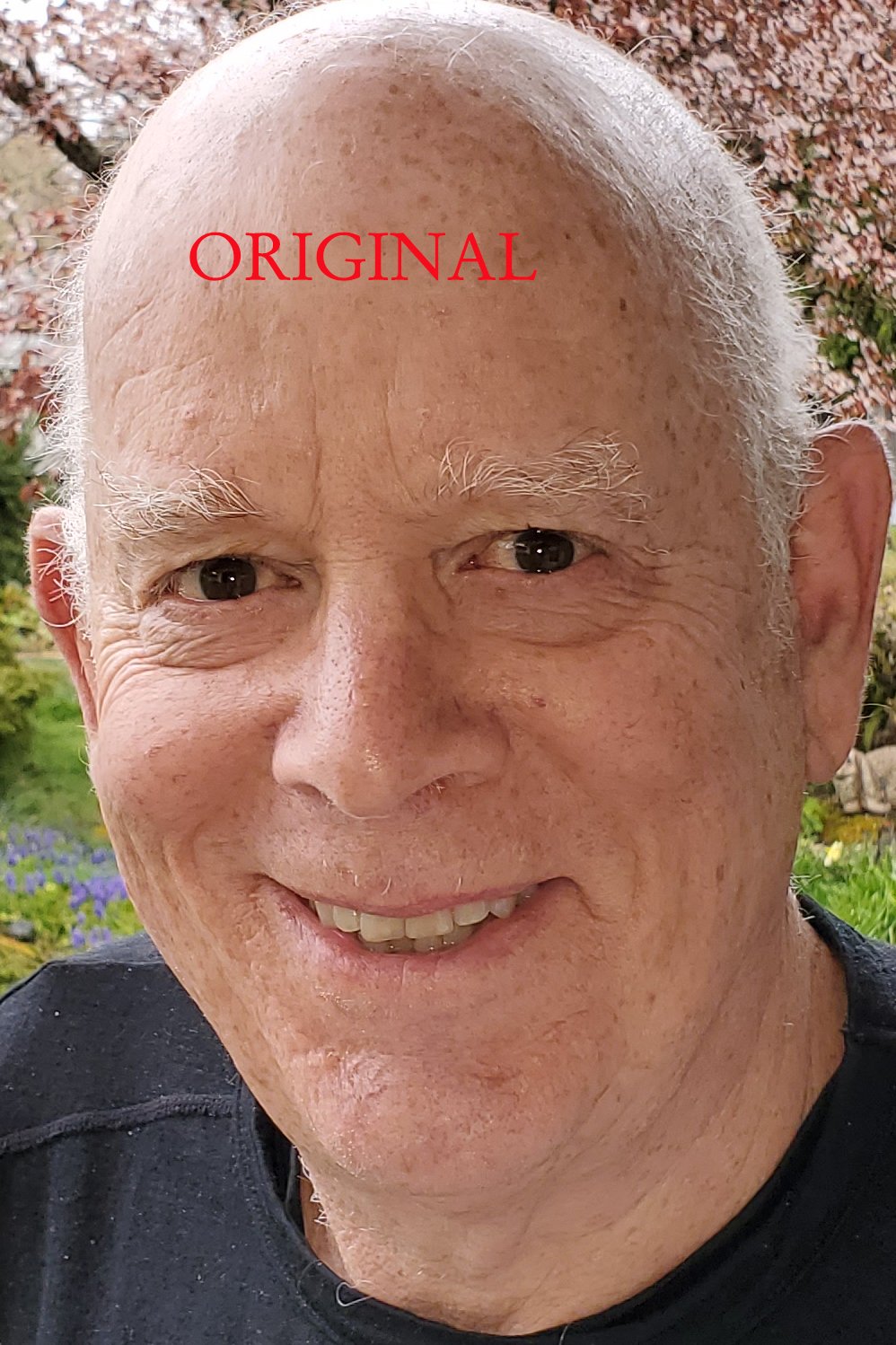
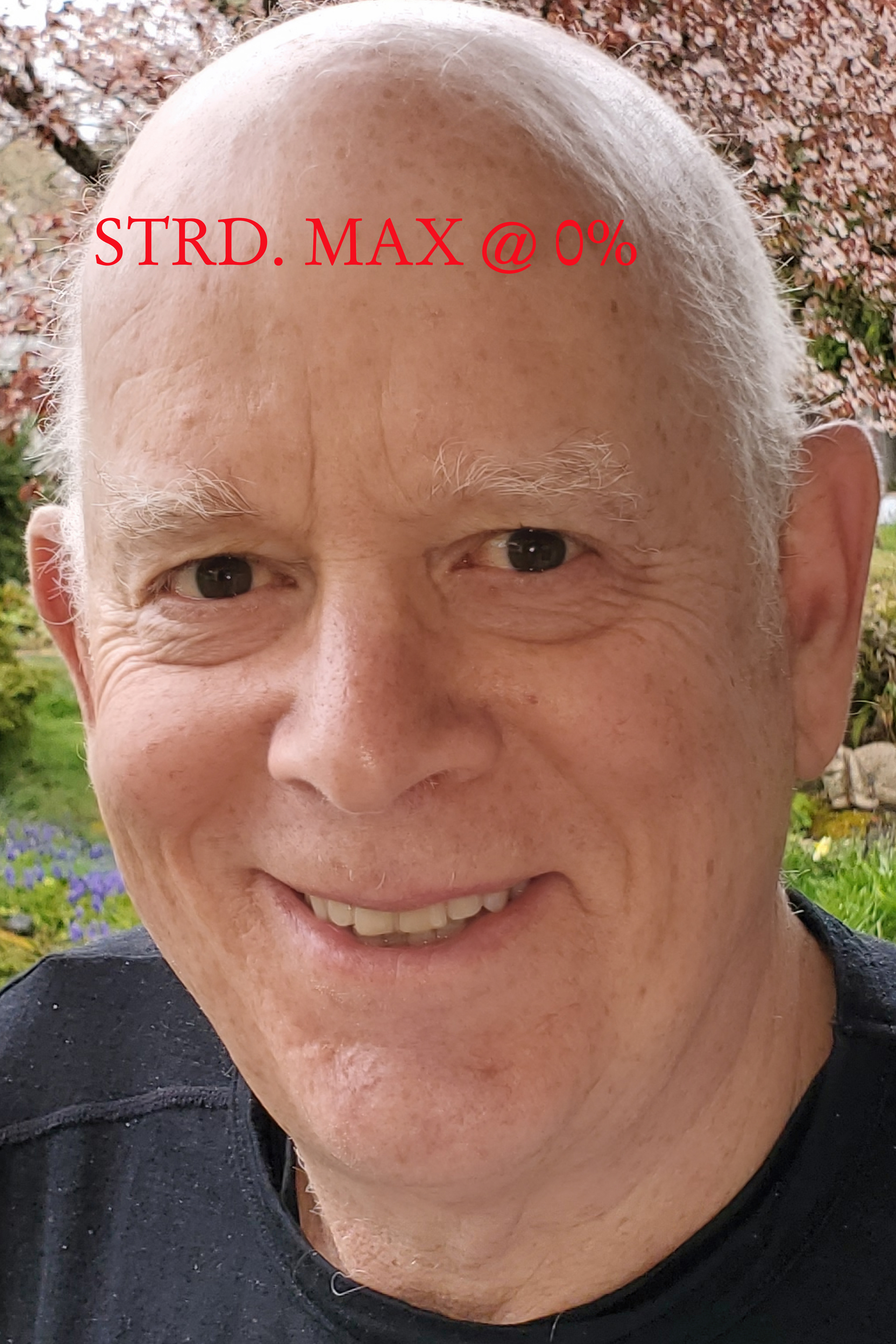
Is Wonder actually wonderful? My observation is seldom. Many companies have jumped on the bandwagon of promoting their products as being AI driven. In some cases the products are dramatically improved but in others, like Wonder, one has to wonder what part of the equation is “I”? Wonder beta is renowned at the moment for giving discouragingly poor results in many types of images, particularly low-resolution portraits and scenes. In both those cases the renditions of details are severely glossed over and smoothened to extreme degrees, making them look more like illustrations than photographs. And it is terribly buggy at this time: simple 2-3 meg files can take incredibly long, easily over an hour to process by the cloud processor and way longer in-computer. In many cases, especially with cloud computing the long waits are rewarded with error messages at the end making the whole exercise a waste. Or, as I found after the long wait, the result was identical to the original: bigger but with no improvements or changes. It is very inconsistent. One moment Barbie Doll skin, the next minute no change whatever. It makes surprisingly huge files compared to Standard Max. Check out the screen shot of the file sizes for the tests of the man’s portrait taken from a cell-phone pic. It seems that higher res portraits are unchanged in Wonder but portraits and scenes with lower detail acuity are adversely affected with too much softening. One aspect of Wonder that works really well on film-grainy images is that it will completely eliminate the grain and on high-detail, high-res files it will help with upscaling in sharpness on subject edges without it looking like it has been sharpened in the usual way that produces lighter outlines. It will also benefit near-black shadow detail better than the other Topaz options.
* Wonder seems now to be running a standardized formula without intelligent assessment. For Wonder to be worthy of the “I” it needs to understand what it is dealing with and continually ask itself the question, " does this look right/real?" and adjust accordingly.
* Wonder is far too time-consuming in its process to be worthy even of checking it out. If that problem is solved then it also desperately needs control sliders addressing separate parts of its algorithm. Help it understand what we are looking for…
* I see little value in promoting Wonder until it is adjusted and retested to make it worthy of a Topaz offering.
* Standard Max is by far more reliable and with the use of sliders, much more useful and controllable. It is likely to be everyone’s go-to option, especially at 50% or less. For a woman’s portrait, perhaps a 50% setting is ideal, for a man’s portrait 0% and in general use, 50% for my taste. An image file that takes almost 2 hours in Wonder to process can be done in Max in 2.5 minutes with better results.