I am almost certain this is the cause, but as best I can tell we are doing the conversion correctly. Unless ffmpeg is using the wrong matrix.
We USED to assume all input was sRGB but that is not the case anymore so it is a bit puzzling why there is a slight change in gamma. If someone finds we are just missing some metadata or something let me know.
Doing a serious processing for the first time with V 1.6 ( SD 480p @400% with GAIA-HQ) and it seems there is a performance issue like some latency during the process causing unconstant speed going from 0.40s/frame to 0.46s. Going back to V 1.5 with the same input it is stable at 0.40s/frame.
It has been my experience so far that with some exceptions (like derainbowing and deinterlacing), processing a video before scaling in VEAI makes the result worse, especially when trying to sharpen it or denoise it first.
In your example, I don’t believe there’s any way to get a focused face by using a separate tool.
To experiment, you might try getting your hands on a copy of Topaz Video Enhance AI version 1.2.0. This version has a mode called “Artemis-MQ” that in some cases can unblur faces. This is the only model I’ve tried that can do that. Sadly, it is NOT OpenVINO, so it’s slower on non GPU systems, and it has been removed starting in version 1.2.1, which is where OpenVINO support was added. The other two Artemis models don’t behave this way. I’m not sure why Artemis is still included at all, as it seems no one uses it and does not like their results.
I find the best model is dictated by the quality and resolution of material.
The fps will also play a part with time and variation between frames.
For <=400 pixels, low quality footage I use Theia Fidelity 55, 80, 7.
This is where it becomes a choice between more detail with noise, or less detail with noise smoothed. Reducing ‘Retain Detail’ will increase detail and retain any noise.
If the material is free of noise ‘Retain Detail’ is reduced.
The Theia Detail model can work better with higher resolution material and a lower ‘Retain Detail’ setting to maintain the same amount of detail. It will vary from one source to the next, but 70 would be an approximate equivalent.
All models introduce a ghostly matrix pattern, the worse being Gaia CG, followed by Theia Detail.
Pattern is less noticeable with Theia Fidelity model, which has the most smoothing out of detail.
Gaia HQ is the best model for relatively clean material around 480+ pixels.
The above will not always hold true, but quality and resolution are the main factors.
absolutely the same-1.6.1 rendering goes with pauses encoding time increased
by 30%, while the GPU TITAN RTX load decreased from 70% to 30%.
I had to go back to 1.5.1.
@plissandro Thank you! I’ll try to first reduce the size of the image and then enhance it. @Chase I already tried with Artemis MQ but the image was still out of focus so I abandoned that way. Any advice on getting better results with it?
you can send me a segment of the video (like few min.) and i’ll see what I can do.
I want RAW unprocessed, straight from DVD, you can use Avidemux to cut it out.
I reinstalled 1.6.1 and have been processing several videos since with logging on, but have not been able to reproduce the issue yet. Could have been the material from one particular DVD, though I prepped these files like I do with all others for VEAI. I’ll get in touch with support if it happens again.
Hi,
I noticed that those two files were both not de-interlaced properly, and does not look like RAW straight from VOB files off the DVD. You can’t use software like handbreak…etc. to rip DVDs properly. Go download “DVDDecrypter” (google “SetupDVDDecrypter_3.5.4.0.exe”) and rip the DVD into decrypted ISO, then use Avidemux to cut out the segment, do not process it, just use “copy” and save it as .mkv and reupload to google drive.
I’ve encountered slow down of VEAI because resource wasn’t freed from previous instances, to solve it without rebooting your PC, do the following:
(1) Close VEAI
(2) Open task manager, end ALL the instances of “NVIDIA Container” (they will be automatically opened again after a second, you don’t have to end them again!)
(3) End “Desktop Window Manager”, (it will be automatically opened again instantly)
(4) Click on “Memory” tab in Task Manager to sort the tasks by memory usage, if you see anything abnormal that’s taking a huge amount of ram, end those tasks.
(5) Relaunch VEAI, and the processing speed should’ve been restore to normal.
OK, so your problem was the video wasn’t deinterlaced properly (video of the first two links you posted.) When it’s deinterlaced with Vapoursynth QTGMC Filter, the video can easily be upscaled with good quality via VEAI Gaia-HQ, there’s nothing special about this video!
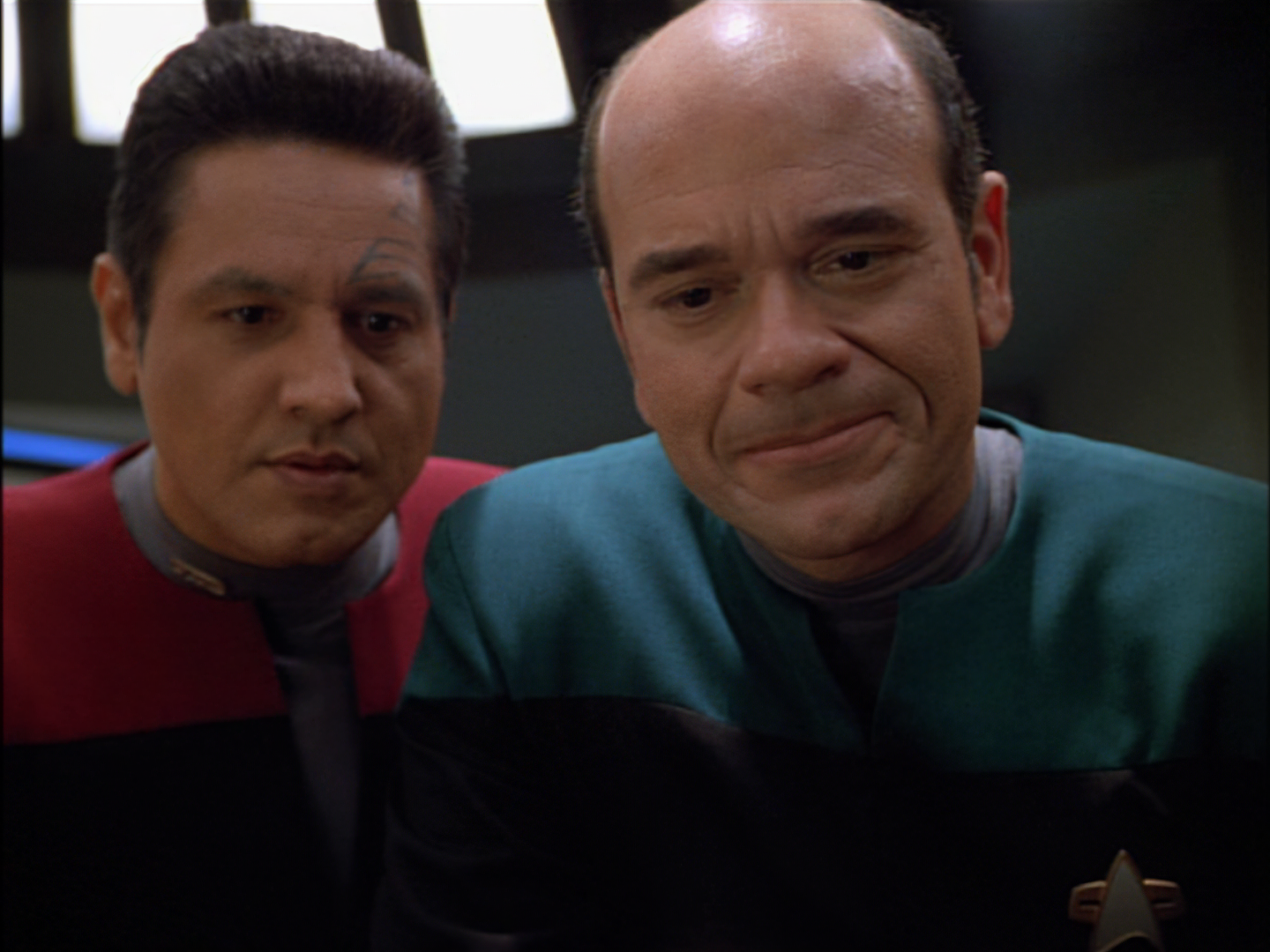
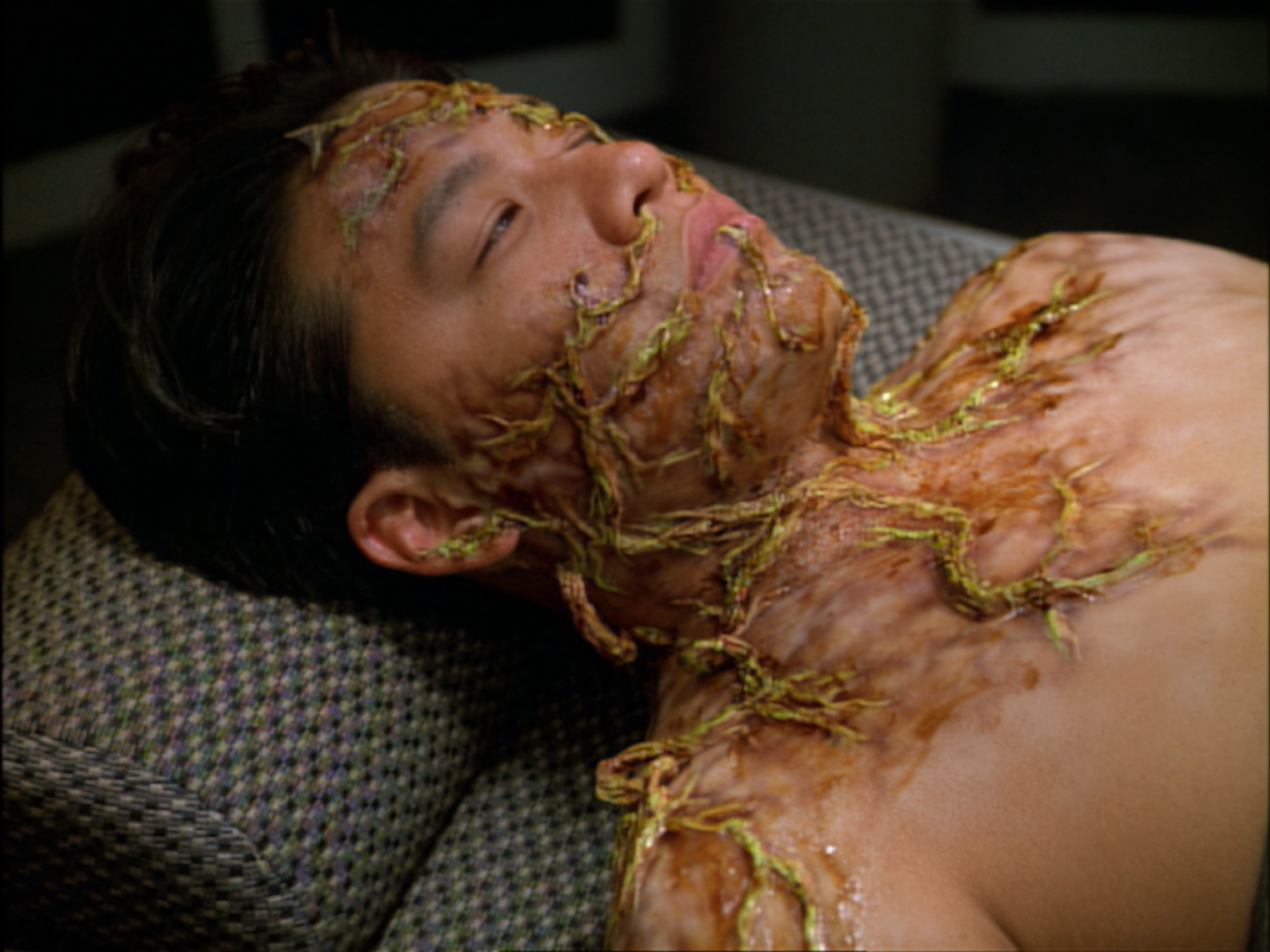
Here are two images from the video segment you provided that I processed (it’s saved as PNG so its lossless, and you can encode into video with ffmpeg afterwards):
you can compare to your previous runs. I am assuming that you ripped the DVD with handbrake which is not the way to do it for best result, I’d recommend that you try learning Vapoursynth or Avisynth.