A very pretty photo of a pair of ducks.
Two photos of gorillas. Tebogo and Indigo.
In addition to Wonder 3 and Redefine, I also used TP sharpen motion deblur.
The following is a short series featuring one of the park’s four red pandas. His name is Mohan.
The subtle, realistic Redefine model was very helpful for blurring the red panda on the second pass. Otherwise, for the first and third passes, I used Wonder 3.
One last one for the road: our cockatoo enlarging a hole in the nest box 
Here are some new photos of the carrion crow taken on May 29th.
Taken with the same equipment as last time. For enhancement, I did two x1 passes of Wonder 3, one x1 pass of Hypir, one x1 pass of Redefine Creativity (low setting) with prompt, and finally two variations of the final scaling with Wonder 3 (medium setting) and On1 resize (it gave surprisingly better results on grass).
After the carrion crow, here are some ducks.
The same applies here as for the black crow regarding improvements.
You have a beautiful parade of birds there. I tried to catch some mine here, but it’s raining. And except for the swans, everyone stays away from me! 
Yeah, I get quite a few birds in my garden. Carrion crows, magpies, ducks (occasionally), pigeons, sparrows, and others I don’t recognize. And pheasants more rarely.
Black stork high above the ground – sunny today, and an interesting bird was circling high in the blue sky. Based on the height of the trees at the edge of the forest (about 20 m), I estimate (perhaps wrongly) that the bird was at least 120-150 meters high. I took a picture of it with a focal length of 400 and it turned out to be a black stork (there are at least two pairs living nearby). The stork was obviously taking advantage of the rising warm air current.
The crop from the photo came out very small (1220x686). I got the best result using the Nano Banana 2 followed by the Wonder 3 twice (4x and then 2x). Only the Wonder added almost no halo there and the result seems pretty good to me, given the conditions:

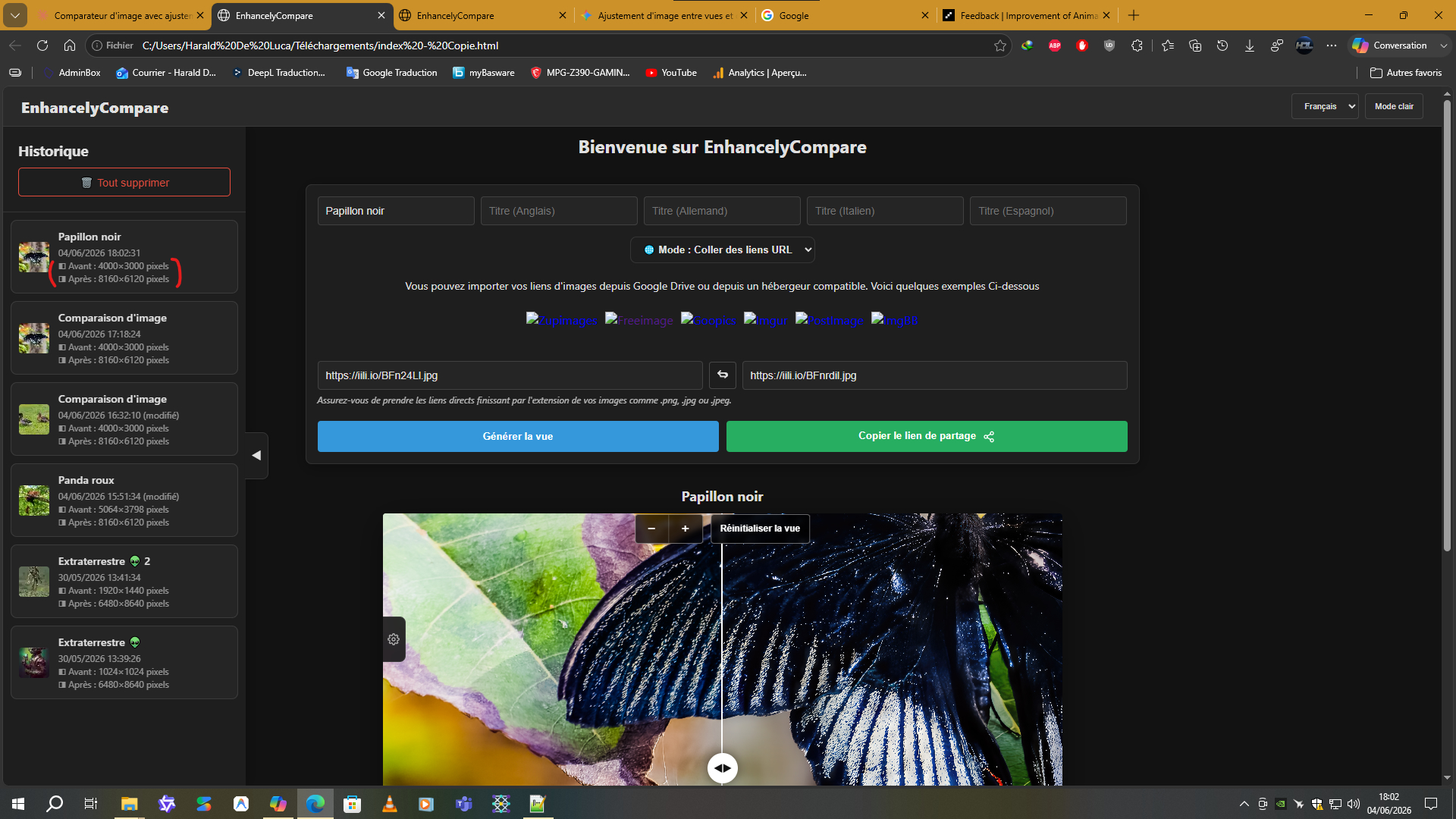
It’s a good and useful additional information concerning Before and After.
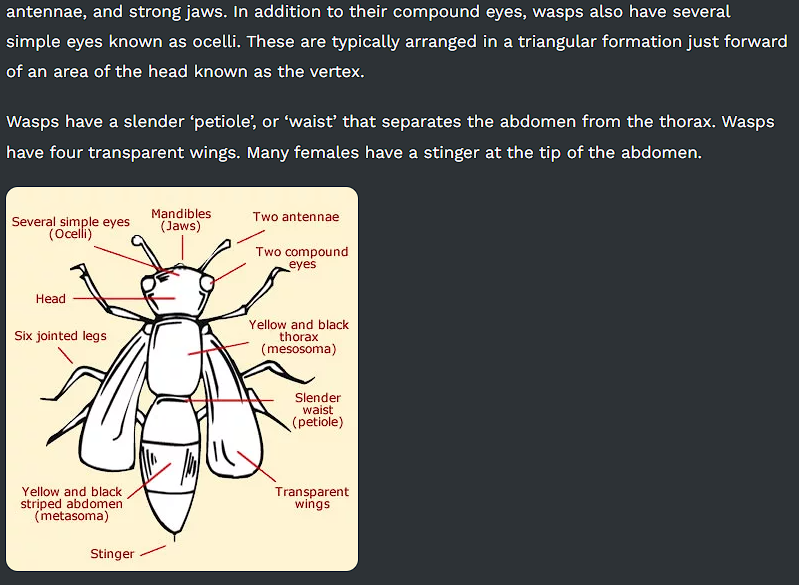
Thanks. However, it’s not possible to add the image size from the URL links. For that to work, the image would need to be downloaded locally. So I didn’t add it.
Ah, okay. Thanks for the info  . I’m less stupid now .
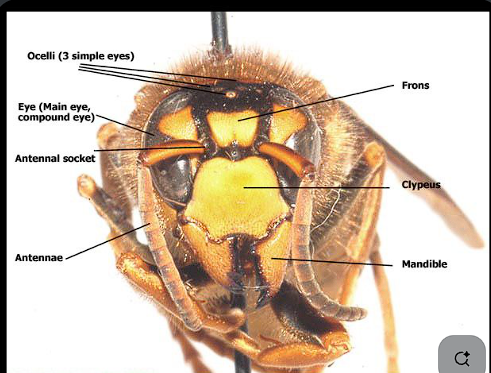
Wow, I had no idea. Thanks for the information about the Ocelli eye! Another reason to admire nature and its ingenuity and complexity.
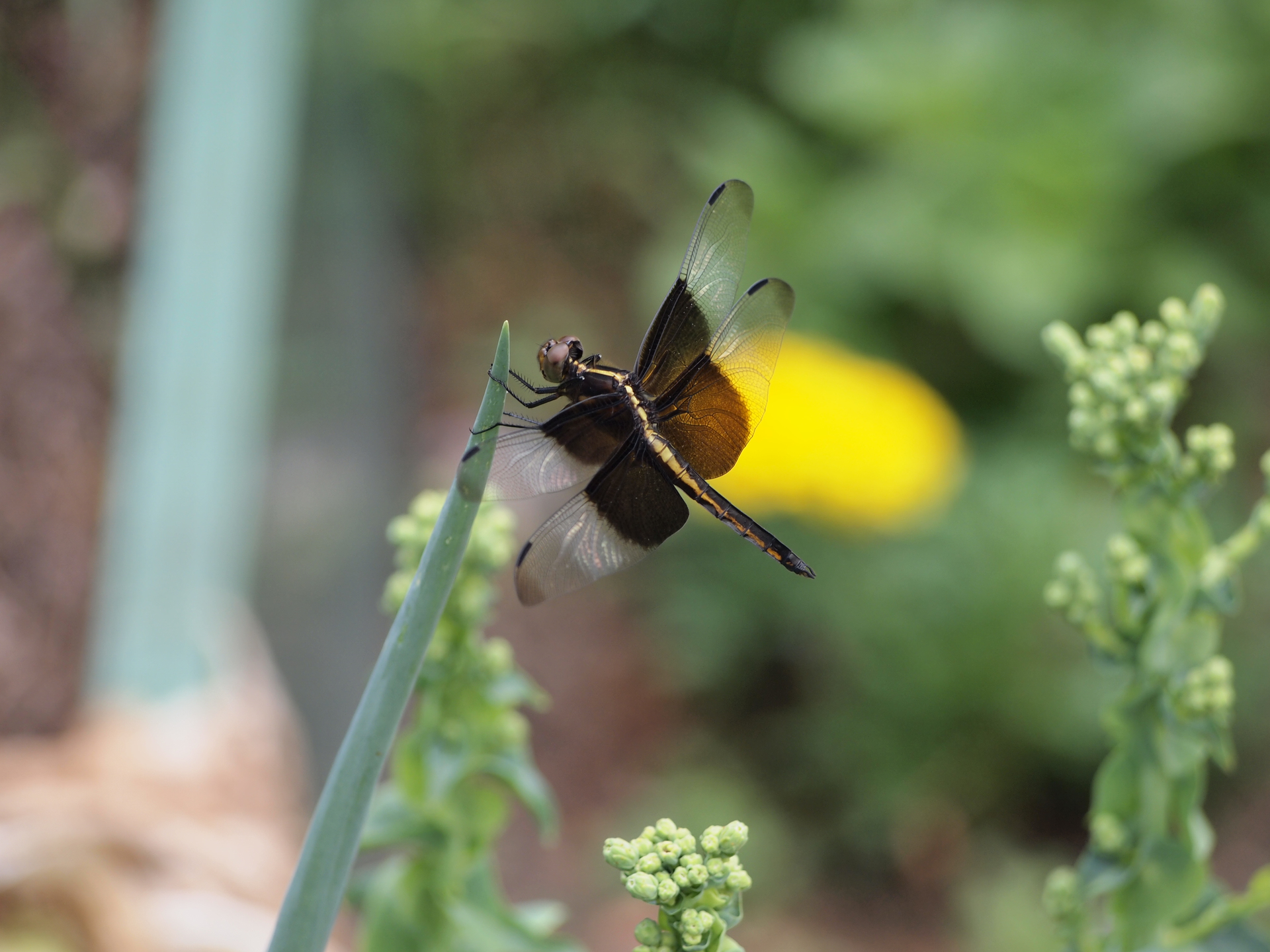
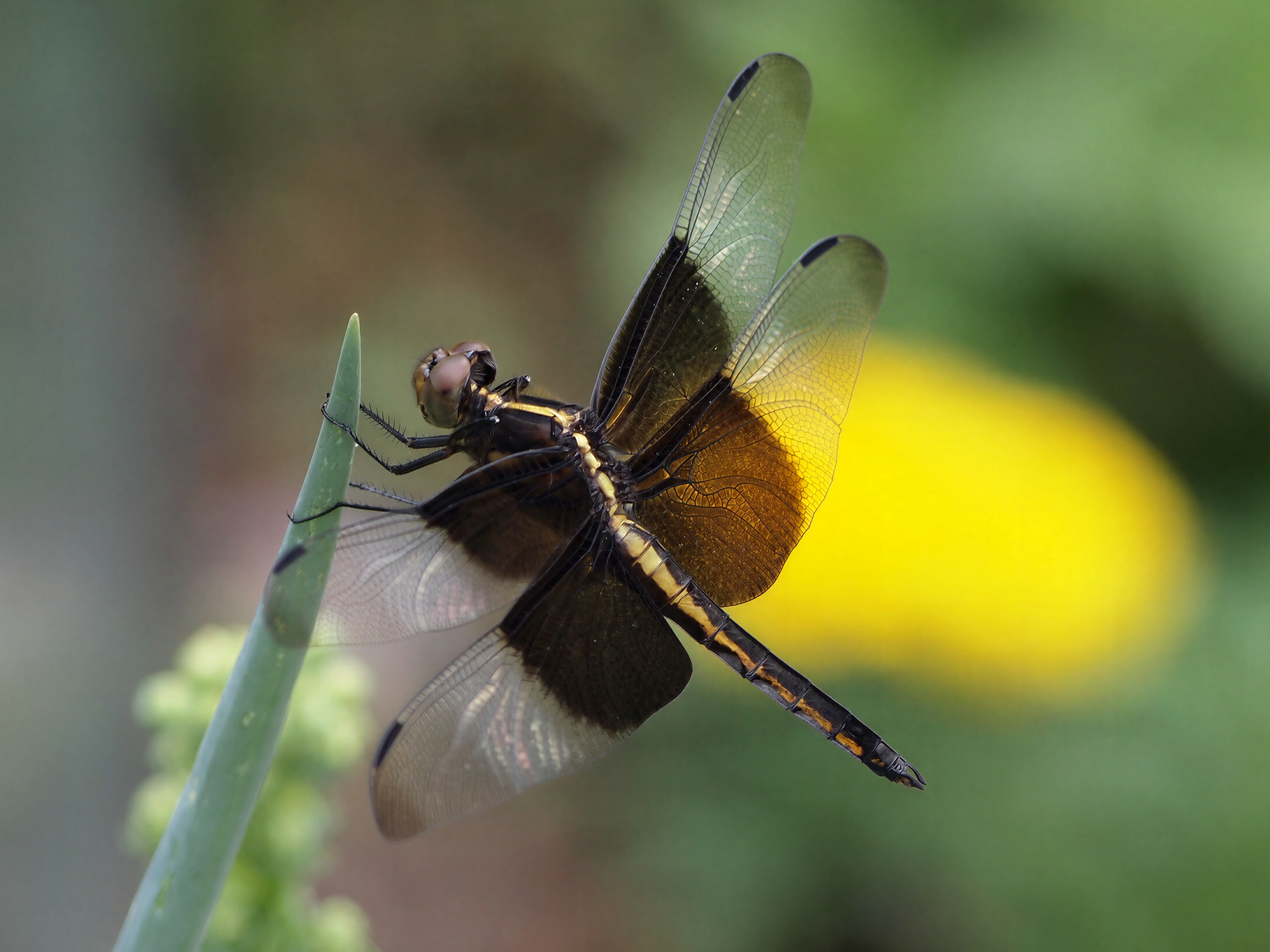
The common blue dragonfly, in large numbers, flies over every pond here and hunts insects. But it typically zigzags quite unpredictably, so how do I take a nice shot? Today I managed to take one somewhat acceptable picture (and about 50 other unusable ones). Although it is not worth much, the brave AI subsequently coped with it and finally fulfilled my dream – to have a nice picture of the blue dragonfly.
This time I am attaching the pictures directly. First I cropped the original, then I used Nano Banana 2, and finally Topaz Gigapixel 4x and 2x. The question is how to approach the result, especially the display of the wings. NanoBan adjusted the wings according to reality, not according to the photo – there the wings are quite different (position and size). But the camera did not capture the photographed wings well (dragonflies oscillate with them very quickly). And the legs…? The choice is either a lousy original picture or an improved one, with doubts about reality. I chose the second option (the first picture), because the real, original photo is really somehow far from the reality  . So, what is the real reality? Tough nut to crack. Here, maybe neither of them?
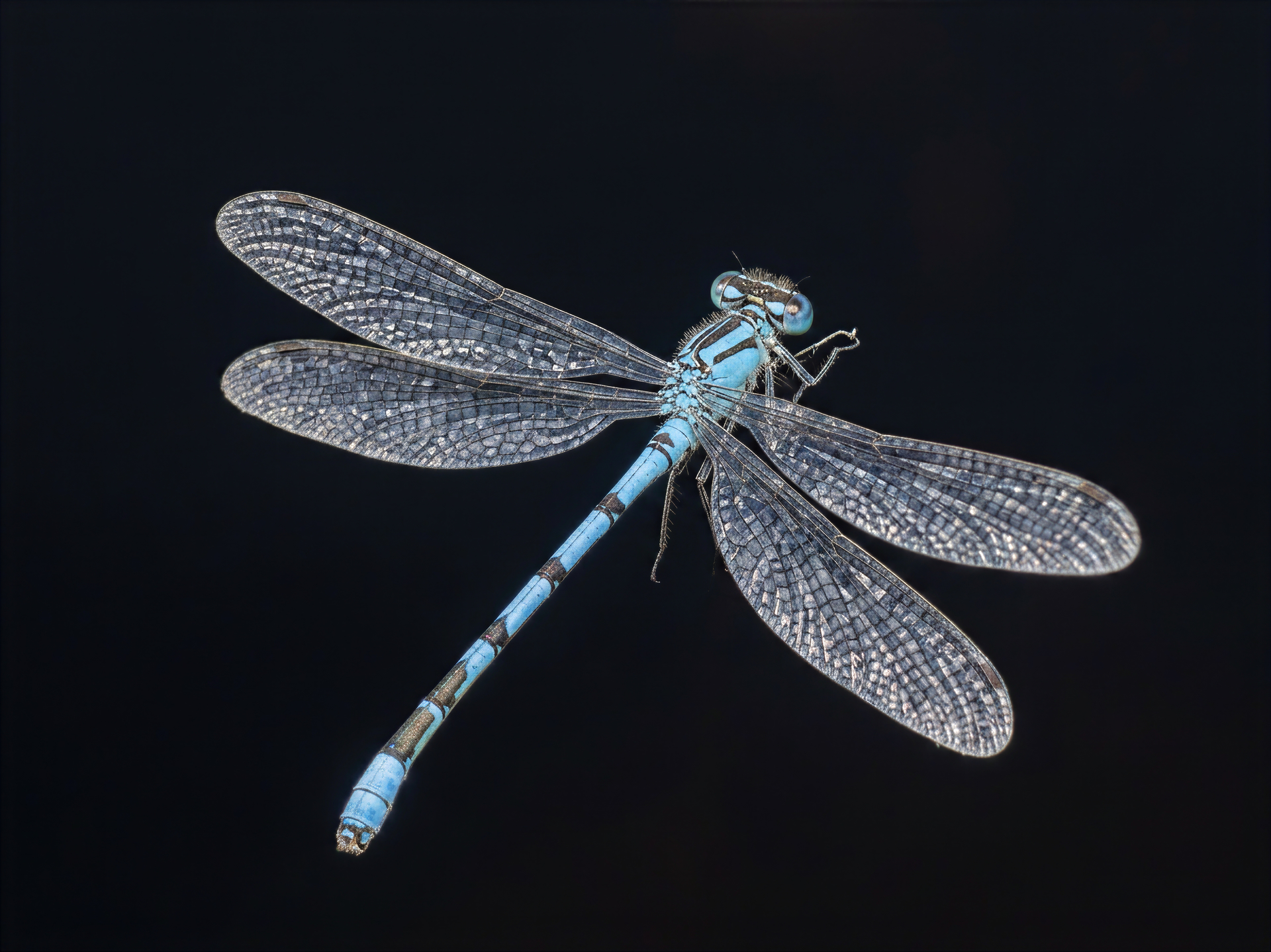
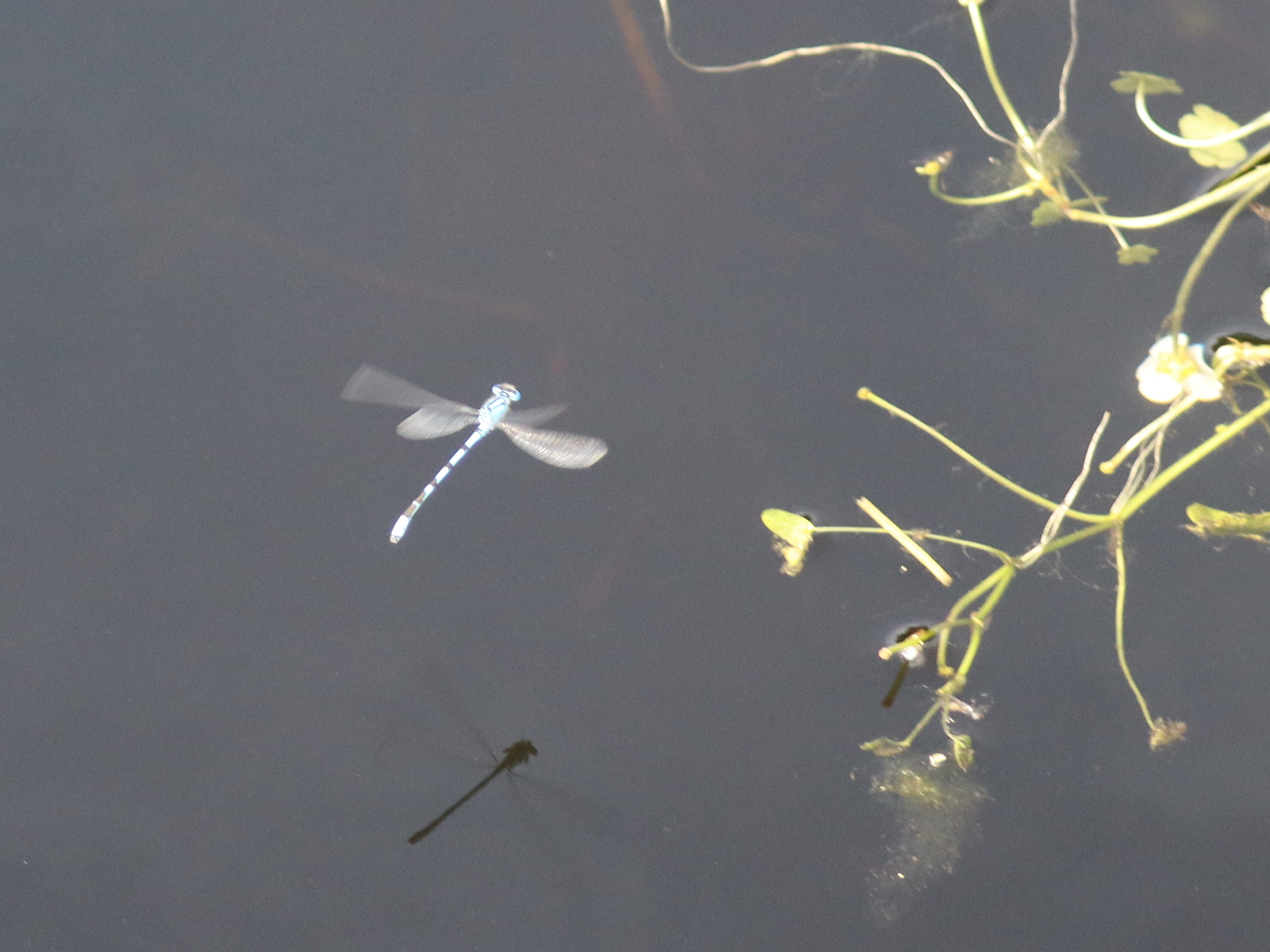
The wings look somewhat like stained glass. It’s kinda cool. I like seeing dragonflys…
You’re right, the wings should be translucent. I guess the dark background has some effect there. But I fought a futile battle with the wings against NanoBan. But I’m not disappointed in the end, I don’t even know what the “correct” result should be.
I just did a bit of research at this site. There is plenty of information there.
https://photographylife.com/photographing-dragonflies
Timing: Dragonflies are most active during warm, sunny days. However, they are easier to photograph during early mornings or late afternoons when they are less active and may have dew on their wings.
- Know Dragonfly Behavior
Before you get out there with your boots or waders, you need to have some basic knowledge of dragonfly behavior, depending on which kind of picture you want. If your purpose is to shoot landed dragonflies, your best bet is to wake up early or wait for the end of the day. These insects are mostly active when the sun is already up and the temperature is rising, flying frantically around their territory. At dawn or dusk, it’s a different story! You can approach them way easier and get some nice macro shots. Plus, the light is usually better at that time, and you can sometimes get a nice dew on the dragonfly early in the morning! The only hard thing will be to find them in the vegetation though.
Regards.